
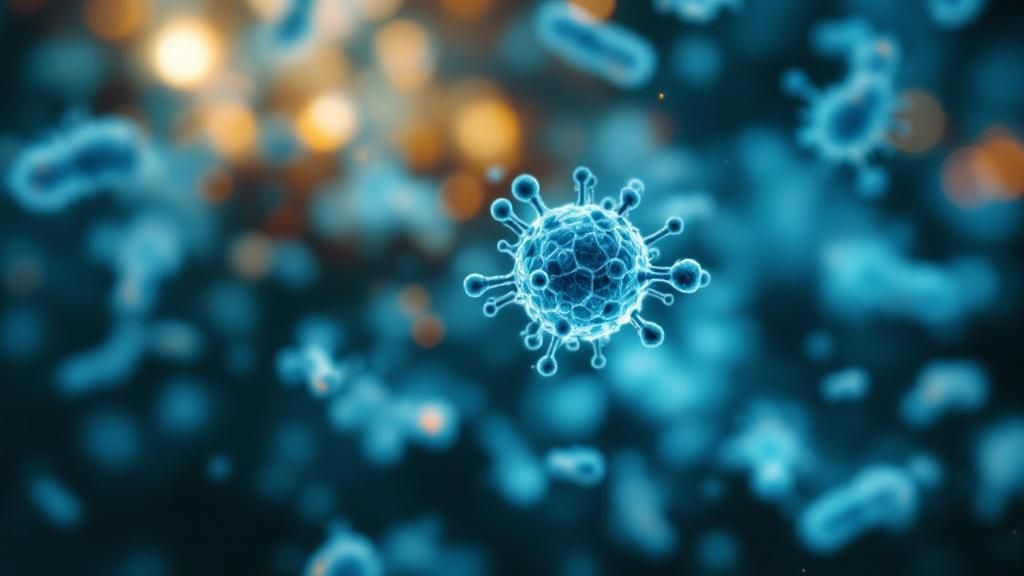
The WHO has unveiled an comprehensive strategy to combat the growing worldwide crisis of antimicrobial resistance, a threat that endangers contemporary healthcare itself. As bacteria, fungi, and other pathogens progressively acquire immunity to our most powerful treatments, healthcare systems worldwide face significant obstacles. This detailed strategy outlines collaborative measures among diverse fields, from responsible antibiotic use to disease control, intended to protect the potency of antimicrobial medicines for future generations and maintain population health on a global level.
Understanding the International Antimicrobial Resistance Crisis
Antimicrobial resistance (AMR) stands as one of the most urgent public health concerns of our time, threatening to undermine decades of medical progress. When organisms like bacteria, viruses, fungi, and parasites become resistant to the drugs designed to eliminate them, treatments lose their effectiveness, resulting in persistent infection, increased hospitalisation rates, and higher mortality. The World Health Organisation projects that without urgent measures, antimicrobial resistance could lead to approximately 10 million deaths each year by 2050, outpacing mortality from cancer and diabetes combined.
The emergence of antimicrobial-resistant organisms is driven by multiple interconnected factors, including the excessive use and inappropriate application of antimicrobial medications in both human and veterinary medicine. Inadequate infection control measures in medical institutions, poor sanitation, and restricted availability of effective pharmaceuticals in developing nations compound the problem. Additionally, the farming industry’s extensive use of antimicrobials for growth enhancement in farm animals plays a major role in the development and spread of resistant bacteria, producing a complex global health crisis demanding coordinated global action.
The Extent of the Issue
Current epidemiological data demonstrates concerning patterns in antimicrobial resistance across all regions worldwide. Multidrug-resistant tuberculosis, methicillin-resistant Staphylococcus aureus (MRSA), and carbapenem-resistant Enterobacteriaceae constitute particularly concerning pathogens. Hospital-acquired infections caused by resistant organisms create substantial economic burdens, with increased treatment costs and reduced economic output affecting both developed and developing nations. The financial implications extend beyond direct medical expenses to encompass wider community effects.
The COVID-19 pandemic has heightened antimicrobial resistance concerns, as healthcare systems experienced unprecedented pressure and antimicrobial stewardship programmes were often sidelined. Secondary bacterial infections in hospitalised patients commonly demanded broad-spectrum antibiotics, potentially selecting for resistant organisms. This period highlighted the vulnerability of global health infrastructure and underlined the urgent necessity for integrated plans addressing antimicrobial resistance as an integral component of pandemic preparedness and overall healthcare system resilience.
WHO’s Multi-Layered Strategy to Addressing Resistance
The World Health Organisation’s approach represents a transformative evolution in how nations collectively address drug-resistant infections. By integrating scientific research, policy execution, and health promotion programmes, the WHO model establishes a coordinated strategy that surpasses national borders. This thorough framework acknowledges that combating resistance requires coordinated measures across medical facilities, agricultural operations, and environmental stewardship, guaranteeing that antibiotics stay potent for combating serious infections across all populations internationally.
Main Pillars of the Strategy
The WHO strategy rests on five linked pillars created to create sustainable change in how countries address antimicrobial use and resistance. Each pillar tackles specific aspects of the antimicrobial resistance challenge, from improving laboratory testing to regulating pharmaceutical distribution. The strategy emphasises decisions grounded in evidence and cross-border partnerships, making certain that countries share best practices and synchronise action. By establishing clear benchmarks and performance requirements, the WHO framework allows member states to monitor advancement and adjust interventions based on emerging epidemiological data and research developments.
Implementation of these pillars necessitates substantial investment in medical facilities, notably in lower-income regions where diagnostic capabilities stay limited. The WHO acknowledges that effective resistance control depends upon fair availability to detection methods, effective medicines, and training schemes. Furthermore, the approach encourages transparency in reporting resistance data, allowing worldwide tracking systems to recognise new risks rapidly. Through joint management frameworks, the WHO ensures that developing nations gain access to technical support and financial resources necessary for effective implementation.
- Strengthen testing capabilities and laboratory infrastructure worldwide
- Regulate antimicrobial use via stewardship and prescribing guidelines
- Enhance infection control and prevention measures systematically
- Advance responsible antimicrobial use in agriculture approaches
- Support development of novel therapeutic agents and alternatives
Deployment and Worldwide Influence
Phased Rollout and Institutional Support
The WHO’s approach utilises a carefully structured incremental process to facilitate effective execution across diverse healthcare systems worldwide. Beginning with pilot programmes in under-resourced regions, the effort provides technical support and financial support to improve laboratory capacity and surveillance infrastructure. Participating countries receive tailored guidance reflecting their unique epidemiological profiles and healthcare resources. International partnerships with drug manufacturers, academic institutions, and NGOs support knowledge sharing and resource distribution. This collaborative framework allows countries to adapt global recommendations to national needs whilst maintaining consistency with broader health goals.
Institutional backing structures constitute the cornerstone of enduring delivery initiatives. The WHO has created regional coordination centres to monitor progress, offer educational programmes, and distribute leading methodologies across diverse locations. Funding pledges from wealthy economies enhance capability development in resource-limited settings, addressing existing healthcare inequalities. Regular assessment frameworks track antimicrobial resistance trends, patterns of antibiotic use, and therapeutic effectiveness. These data-driven surveillance mechanisms allow involved parties to detect developing issues promptly and modify responses in response, guaranteeing the strategy stays adaptive to changing disease patterns.
Extended Economic and Health Consequences
Combating antimicrobial resistance promises transformative benefits for worldwide health protection and financial resilience. Preserving antimicrobial efficacy safeguards surgical interventions, oncological therapies, and care for immunocompromised patients from severe adverse outcomes. Healthcare systems preventing widespread resistant infections lower treatment expenses, as resistant pathogens require prolonged hospitalisations and expensive alternative therapies. Developing nations particularly gain from preventative approaches, which prove substantially more cost-effective than addressing treatment failures. Agricultural productivity increases when unnecessary antimicrobial use diminishes, reducing environmental contamination and preserving livestock wellbeing.
The WHO projects that effective antimicrobial resistance management could avert millions of deaths annually whilst delivering significant economic savings by 2050. Strengthened prevention measures decreases disease burden across vulnerable populations, bolstering overall population health resilience. Ongoing pharmaceutical innovation becomes possible when demand stabilises and resistance pressures reduce. Awareness programmes foster community understanding, supporting responsible antibiotic use and reducing unnecessary prescriptions. This comprehensive strategy ultimately preserves the foundations of modern medicine, securing future generations retain access to life-saving treatments that contemporary society increasingly overlooks.
